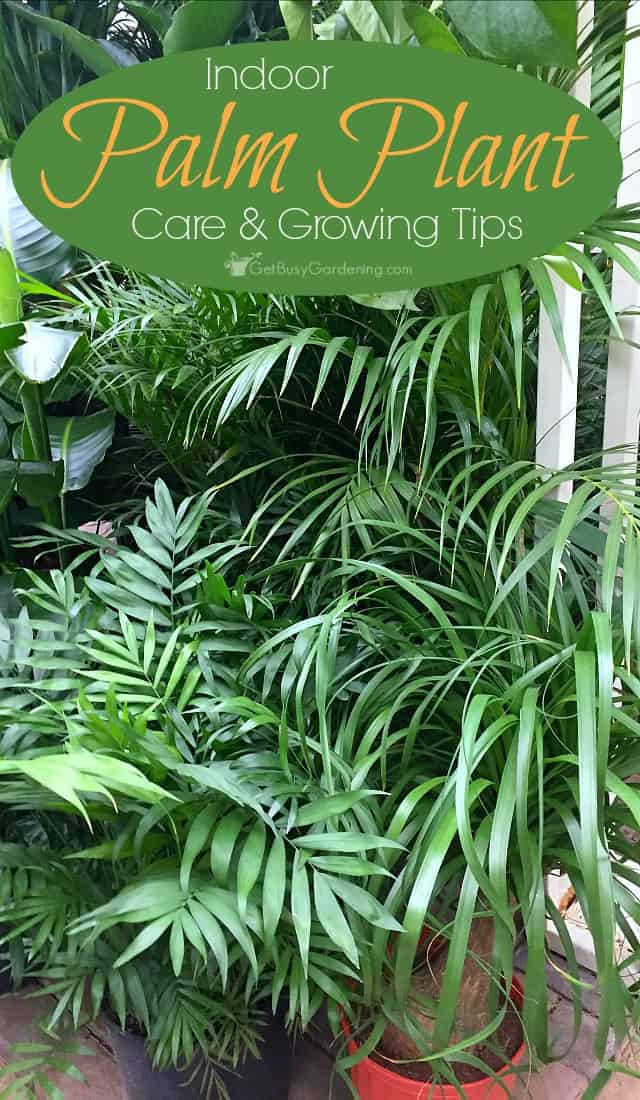
Indoor Palm Plant Care. Never let your plant sit in water or soggy soil, as it can lead to root rot or leaf spot. In bright light, water when the potting soil has dried down to about 1/4 the depth of the grow pot.
How To Care For Palm Trees Indoors The Ultimate Palm from getbusygardening.com
How to care for indoor palm plants: Always test for moisture before you water. If yours is exclusively an indoor palm tree, then being exposed to such cold conditions can cause shock.
The Majesty Palm Has Long Green Fronds And It Is A Wonderful Addition To Your Indoor Décor.
I back away from the fertilizer during the non growing season though, especially during winter. Indoor palm trees thrive when soil is moist—never too soggy or too dry. Your indoor palm tree can thrive amazingly well in average humidity, but it’s recommended to mist it often, place it near a humidifier, or use a pebble tray to prevent insect infestations.
Common Indoor Palm Trees Brighten Up Any Corner Or Living Space With Their Elegant Foliage.
The lowest temperature the majesty palm has been known to survive is 20 degrees. Palm plants come in a variety of species and sizes that make them fun choices for indoor foliage. These plants will react to any one of these three factors if not balanced correctly.
The Parlor Palm Is A Common Indoor Palm Tree, And.
One of the neanthe bella palm care also includes their feeding. Do not allow the fertilizer to come into touch with the leaves when mixing it into the soil. How to care for indoor palm trees:
To Successfully Grow An Indoor Majesty Palm, There Needs To Be A Good Balance Of Light, Heat, And Feeding.
When you cultivate kentia palm outdoors in a container, remember to bring the palm indoors before the frost hits. For a palm, this is impressive. Always test for moisture before you water.
Plant Care For Indoor Potted Palms.
Palms are mostly easy to care for and can spruce up any room in the house. Bright, filtered light is best for most palm plants but the kentia palm, neanthe bella palm can usually be maintained in lower light situations. Allow the soil to begin to dry between waterings, and water even less in the winter.